
Description
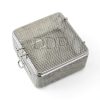
Product Overview
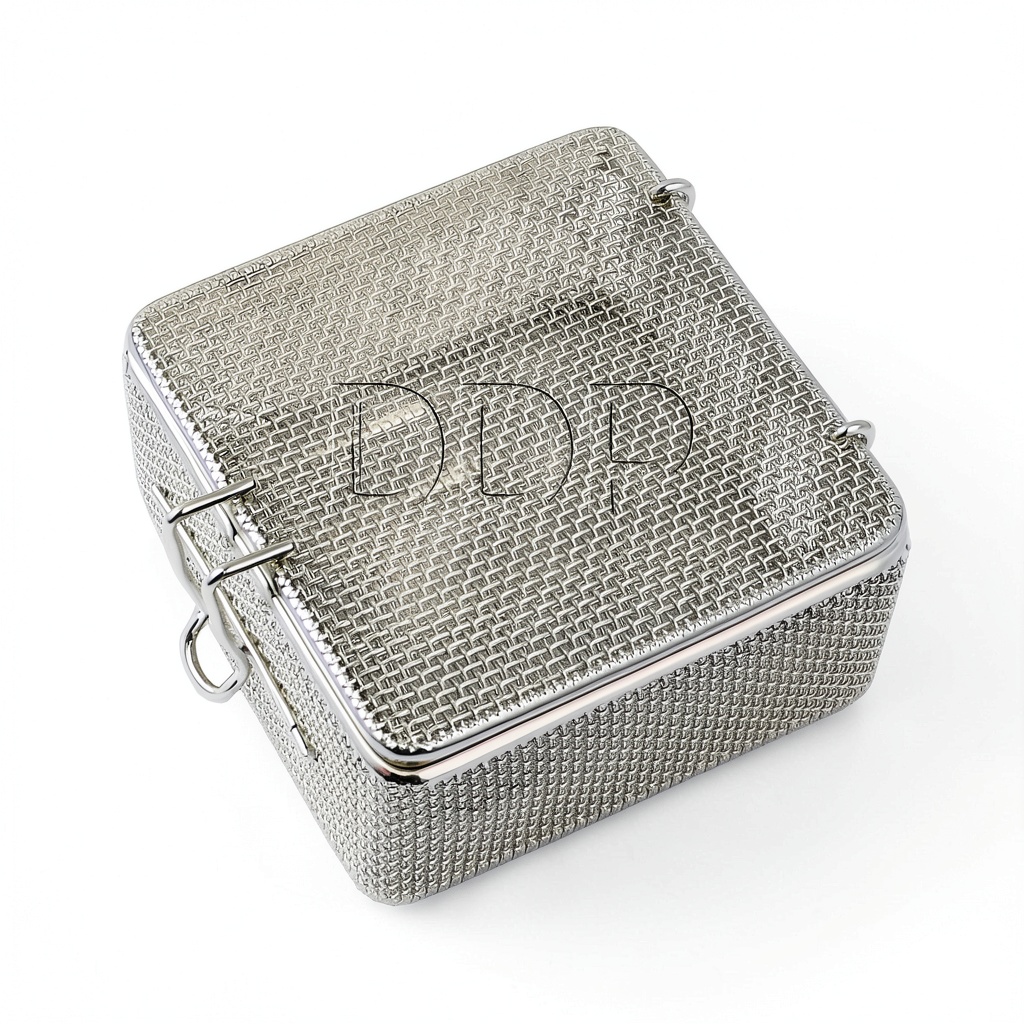
The DDP Micro Mesh Tray is engineered for dental professionals who demand precision and durability in every impression. Measuring 7.5 × 7.5 × 3.5 cm, this compact tray fits comfortably within standard impression kits while providing ample surface area for material placement. Constructed from high‑grade stainless steel, the tray resists corrosion, deformation, and the harsh cleaning agents commonly used in dental environments. Its perforated mesh design facilitates superior material flow, allowing excess impression material to escape evenly, which reduces air bubbles and improves the fidelity of the final cast. The tray’s smooth, polished surface minimizes patient discomfort and simplifies sterilization, ensuring a hygienic workflow from start to finish.
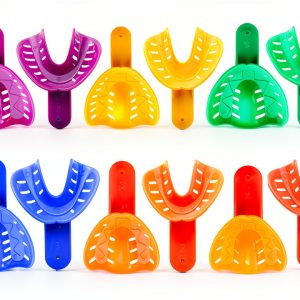
![[Product front view showing all components]](https://www.hikingfinds.store/wp-content/uploads/2026/08/7eba016b4aa14035ba10da9165d233fa.jpg)
Usage
Designed for both dental laboratories and clinical settings, the DDP Micro Mesh Tray integrates seamlessly into a variety of impression techniques, including traditional alginate, silicone, and polyether materials. Its sturdy stainless‑steel construction makes it suitable for repeated autoclave cycles, while the perforated mesh aids in rapid material drainage, shortening setting times and enhancing patient comfort. Whether you are capturing full‑arch impressions for prosthetic fabrication or taking localized bite registrations, the tray’s precise dimensions ensure consistent results across multiple patients. The tray also pairs well with custom trays and bite blocks, offering flexibility for complex restorative cases, orthodontic appliances, and maxillofacial prosthetics.
Why Choose Us
DDP has a longstanding reputation for delivering high‑quality dental accessories that meet rigorous industry standards. Each Micro Mesh Tray undergoes a multi‑stage quality control process, from raw material inspection to final dimensional verification, guaranteeing that every unit meets exact specifications. The stainless‑steel alloy used is sourced from certified suppliers, ensuring uniform thickness and resistance to pitting. Our manufacturing facilities employ precision stamping and laser cutting technologies, producing a uniform perforation pattern that optimizes material flow without compromising structural integrity. In addition, DDP provides responsive customer support and a clear warranty policy, giving you confidence that your investment is protected. By choosing the DDP Micro Mesh Tray, you align with a brand that prioritizes reliability, consistency, and the long‑term success of your practice.
Key Features
- Compact 7.5 × 7.5 × 3.5 cm size fits standard impression kits, saving storage space.
- Premium stainless‑steel construction resists corrosion and withstands repeated autoclave cycles.
- Perforated mesh design promotes even material flow, reducing air entrapment for more accurate casts.
- Polished surface ensures patient comfort and simplifies sterilization procedures.
- Backed by DDP’s dedicated customer service and warranty for peace of mind.
FAQ
What impression materials are compatible with this tray?
The DDP Micro Mesh Tray works with a wide range of materials, including alginate, addition silicone, polyether, and hybrid impression compounds. Its perforated design accommodates the flow characteristics of each type, ensuring consistent results.
Can the tray be autoclaved?
Yes. The stainless‑steel composition is specifically selected for its ability to endure standard autoclave temperatures and pressures without warping or losing structural integrity.
How does the perforated mesh improve impression quality?
The mesh allows excess material to escape uniformly, minimizing the risk of air bubbles and voids that can compromise the accuracy of the final model. This leads to clearer detail capture and smoother laboratory workflows.
Is the tray available in different sizes or colors?
Currently, the DDP Micro Mesh Tray is offered in the 7.5 × 7.5 × 3.5 cm size with a stainless‑steel finish. Future size variations may be released based on market demand.
What is the recommended cleaning protocol?
After each use, rinse the tray with warm water to remove residual material, then place it in an autoclave for a standard cycle. For routine maintenance, a mild detergent and a soft brush can be used to clean the mesh without damaging the surface.
 Pastry Baking Kindle Edition by Hodder Stoughton 549 Pages 4.6 Rating
Reviews
There are no reviews yet.